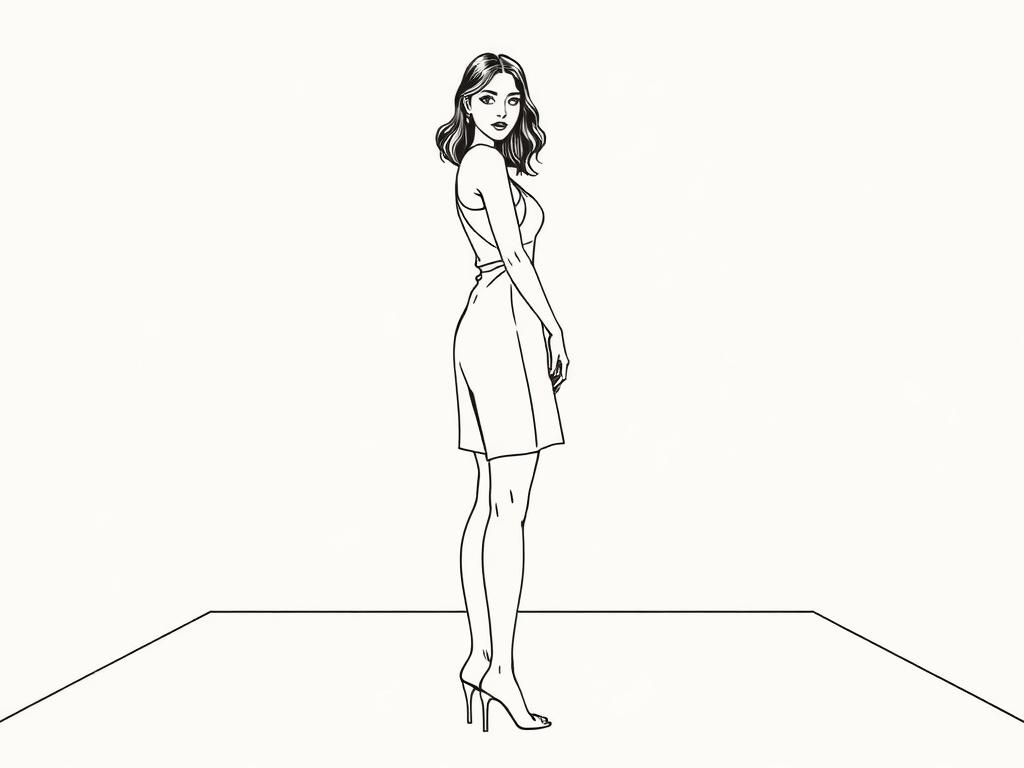
For a long time, I believed confidence was something you could perform. As a professional model, I mastered the art of stepping into a room with poise, holding a pose that exuded ease, beauty, and self-assurance. To outsiders, it appeared effortless, but beneath the surface, my relationship with my body was anything but simple. In the modeling industry, the emotional disconnect between how you are perceived and how you truly feel can be profound. I lived this contradiction, celebrated for my appearance while grappling with self-worth, body image, and identity—a struggle that many in the industry silently endure.
In this blog post, I will explore the complexities of performing confidence and the lessons I learned through my journey of healing. I’ll unpack the significant gap between image and identity, illustrating how my worth became entangled with external validation. Together, we’ll embrace the notion that healing means redefining self-worth beyond appearance, ultimately guiding you towards a more authentic version of yourself. If you’ve ever felt like you’re merely performing confidence, you’ll find solace in knowing that you’re not alone, and there is a path toward reclaiming your sense of self.
The power of performing confidence: Understanding the facade
For a long time, I believed that confidence was an act, a performance perfected through years of practice in the modeling industry. Walking into a room, striking a pose, and exuding an aura of ease felt like second nature to me. The image I projected often appeared effortless, captivating everyone around me. Yet, behind that polished exterior lay a complex reality. The smiles and poses concealed a profound internal struggle, a disconnect between the confident image I showcased and the self-doubt that lingered beneath the surface. This performance was not just about aesthetics; it was an elaborate facade, designed to mask my insecurities and turmoil.
As I navigated the world of modeling, the pressure to embody confidence when I didn't feel it created an emotional burden. I learned to present an idealized version of myself, earning external validation while simultaneously battling feelings of inadequacy. This dichotomy left me questioning the nature of confidence—was it truly an innate quality, or simply a mask I wore to conform to societal standards? The realization that I was performing confidence rather than genuinely feeling it became a pivotal moment in my journey. It prompted me to explore the emotional costs of striving for an unattainable ideal and led me to confront the complex relationships between self-image, self-worth, and authenticity.
Unpacking the emotional disconnect: Image versus identity
In the modeling world, a person's value often hinges on their appearance, creating a facade that can be difficult to maintain. This relentless focus on external validation led me to internalize the belief that my worth was solely connected to how I looked and how others perceived me. I learned to master the art of presenting an image of poise and allure, but behind that polished exterior lay a deep sense of disconnection from my true self. I struggled with feelings of inadequacy, not because I lacked beauty or talent, but because the industry's standards seemed unattainable. This emotional disconnect became a silent burden, as I juggled the dual realities of being celebrated yet feeling utterly lost.
Breaking free from this emotional bondage began with recognizing the chasm between my image and my identity. I realized that my feelings of worthlessness were not an indication of my actual value, but a reflection of how society dictated success and beauty. I began to challenge the internalized messages that equated my appearance with my self-worth. It was a gradual and often painful process of redefining who I am beyond the lens of a camera. By embracing my diverse qualities and nurturing my individuality, I gradually shifted my perspective toward a more authentic sense of self that is not solely dictated by how I appear to others. This journey of self-discovery ignited a powerful transformation, allowing me to foster a healthier relationship between my image and my identity.
Embracing healing: Redefining self-worth beyond appearance
To truly embark on the journey of healing, I had to confront the deeply ingrained beliefs that tethered my self-worth to my physical appearance. I realized that for years, I placed my value in the hands of others' perceptions rather than nurturing an authentic connection with myself. As I embraced healing, I began to redefine my worth through personal achievements, relationships, and inner growth instead of relying on how I looked or how well I fit into society's narrow beauty standards. This shift was transformative, empowering me to appreciate my unique qualities and strengths beyond the superficial, which served as the foundation for my newfound self-acceptance.
Rebuilding self-worth is an ongoing process, one that requires patience and self-compassion. I started by engaging in practices that fostered a positive self-identity, like journaling, affirmations, and mindfulness. These tools helped me cultivate self-awareness and compassion, which were crucial in reframing my narrative. I learned to celebrate my accomplishments, talents, and progress, regardless of how they aligned with conventional standards of beauty. By valuing myself beyond the physical, I began to feel a profound sense of freedom and authenticity. Embracing this journey of healing not only allowed me to reclaim my identity but also enabled me to live more fully and vibrantly in every aspect of my life.